Recycling and Sustainability — Eco-Friendly Driveway Cleaning Company Practices
As an eco-friendly driveway cleaning company, our mission is to deliver outstanding driveway cleaning results while protecting local environments. We treat every sweep, scrape and wash as an opportunity to reduce waste, recover reusable materials and lower carbon emissions. Our approach blends practical on-site separation, collaboration with municipal facilities and long-term investments such as low-emission vehicles to make sustainable driveway maintenance the norm.

Our Recycling Percentage Target and Performance
We have set a clear recycling percentage target for non-hazardous waste produced during cleaning and maintenance: 85% diversion from landfill within 12 months, rising to 90% within three years. This target covers aggregates (grit, broken concrete, pavers), organic garden residues (leaves, moss, soil) and recoverable masonry. Reaching this goal requires disciplined sorting on-site, reliable transfer of materials to local processing points and active reuse partnerships.Local Transfer Stations and Borough Waste Separation
We work closely with local transfer stations and borough waste hubs to make sure materials are recycled correctly. Many boroughs operate a tiered approach to waste separation — for example, separate streams for organic garden waste, inert rubble, plastics and metals — and our crews follow these guidelines on every job. Where municipal guidance specifies colour-coded bags or labelled crates, our operatives adopt the same system so materials arrive ready for processing without contamination.
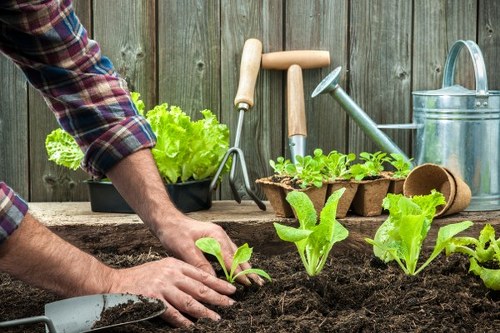 A sustainable rubbish and gardening area is central to our field operations. On larger sites we set up a temporary sorting zone: labelled bins for stone and concrete, containers for reclaimed pavers, sacks for soil and compostable yard cuttings. This mini recycling hub allows us to divert material to appropriate facilities — composting sites, aggregate recyclers and community reuse centres — rather than sending mixed loads to landfill.
Types of Recycling Activity We Implement
- Aggregate recycling: broken concrete, brick and stone are separated and sent to local aggregate processors for crushing and reuse in construction.
- Organic reuse: leaves, moss and topsoil are composted or used as mulch in community gardens and municipal green spaces.
- Paver and material reuse: intact cobbles, slabs and reclaimed paving stones are offered to community projects and partner charities.
- Metals and plastics: gates, small metal fixings and plastic fittings are recycled through borough metal and plastics streams.
![A young woman with long blonde hair and a cheerful expression is working outdoors in a garden or nursery setting, surrounded by a variety of flowering plants and greenery. She is wearing a checked shirt and light-colored gardening gloves, and she is holding a bright green watering can over a bed of colourful flowers, including yellow and orange blooms. The background features neatly arranged garden beds, potted plants, and small trees, with a building and leafy trees visible in the distance under a clear, sunny sky. The scene showcases a well-maintained outdoor space suitable for gardening and landscaping activities, emphasizing vibrant plant life, healthy soil, and tidy arrangements, consistent with residential or community garden care. This setting reflects professional gardening practices that Driveway cleaning company may support through lawn and garden maintenance services in the local area, such as in [POSTCODE] or nearby in [TOWN].](/pub/_photos/gardening/f1370521600.jpg)
Partnerships with Charities and Local Reuse Centres
We maintain active partnerships with local charities, community workshops and reuse organisations to ensure materials that are still valuable find a second life. Surplus pavers and edging stones go to community building projects, while usable bags of soil or compacted sub-base materials are donated to allotment groups and habitat restoration initiatives. Our alliances help turn what would be waste into resources for neighbourhood improvement schemes.
Low-Carbon Vans, Route Optimisation and Sustainable Fleet
To reduce the carbon footprint of our driveway cleaning service fleet, we've invested in low-carbon vans including fully electric and plug-in hybrid models. These vehicles are paired with smart route optimisation software to minimise mileage and idling time. Each low-emission vehicle is equipped with secure, labelled compartments for separated materials so sorting begins as soon as our driveway cleaners step on site. The result is lower operational emissions and cleaner handling of recyclable loads.
Operationally, crews follow a documented waste-handling protocol: small quantities of hazardous residue (for example, minor oil or fuel traces) are captured in lined containers and taken to authorised hazardous waste points; inert rubble is segregated from organic matter and directed to the appropriate transfer station; and all recyclable fractions are tracked with simple manifesting so we can report performance against our recycling targets.
Tracking, Reporting and Continuous Improvement
We monitor recycling rates and carbon metrics monthly. Our reporting dashboard records tonnes diverted, estimated CO2e savings from vehicle electrification and the number of community donations made. This continuous monitoring helps us refine on-site sorting, adjust vehicle allocation and expand partnerships where the greatest environmental benefit can be achieved. Transparency and measurable goals are essential: we publish internal summaries of progress and set incremental improvements every quarter.
Why this matters: by reducing landfill, reusing construction materials, composting organic waste and deploying low-emission delivery, our driveway maintenance company contributes to healthier neighbourhoods, lower municipal disposal costs and a resilient circular local economy. We continually adapt to borough-level policies on waste separation and local transfer station requirements so our practical actions support broader community sustainability goals.
Our commitment is to keep evolving: increasing our recycling percentage, expanding charity partnerships, and replacing petrol vans with electric alternatives as fast as technology and infrastructure allow. For clients seeking an environmentally responsible driveway cleaning company, our methods ensure that a cleaner driveway also means a cleaner future for the area.